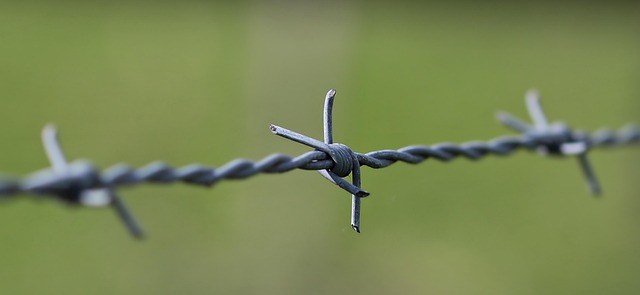
Large properties present unique fencing challenges, often requiring robust, durable solutions that align with substantial budgets. However, innovative cost-effective fencing options now cater to these needs without compromising quality or aesthetics. This article delves into the diverse world of large property fencing, exploring traditional versus modern alternatives, natural solutions, DIY ideas, prefabricated fences, and long-term maintenance strategies. By the end, readers will be equipped with valuable insights for securing their expansive spaces efficiently.
- Understanding Large Property Fencing Needs
- Traditional Fencing vs Cost-Effective Options
- Natural Barriers and Landscaping Solutions
- DIY Fencing Ideas for Budget-Conscious Owners
- Pre-Fabricated Fences: Installation and Benefits
- Long-Term Savings and Maintenance Tips
Understanding Large Property Fencing Needs
Fencing a large property presents unique challenges compared to smaller plots, primarily due to the extensive length and diverse terrains involved. Effective fencing solutions for expansive lands require a strategic approach that balances functionality with aesthetics. Homeowners must consider both the practical needs—like security, privacy, and livestock containment—and the visual impact on the landscape.
The scale of large properties often necessitates durable and low-maintenance fencing materials. Traditional options like wood may be susceptible to rot or pest damage over time, especially in vast open spaces. Vinyl, chain link, and metal post fences are popular alternatives known for their longevity and resistance to weather conditions, making them ideal for expansive areas. Each material offers distinct aesthetics and levels of privacy, allowing homeowners to select a style that complements their property while meeting specific security or regulatory requirements.
Traditional Fencing vs Cost-Effective Options
Traditional fencing methods, while aesthetically pleasing, can be an expensive endeavor for large property owners. The extensive labor and high-quality materials required often make them a significant financial commitment. However, the landscape has shifted with the emergence of cost-effective fencing solutions that offer both durability and affordability. These innovative options are revolutionizing how we think about property boundaries, providing an alternative to traditional methods without compromising quality or functionality.
Compared to conventional fences, modern cost-effective options utilize advanced manufacturing techniques and durable, yet economical, materials. For instance, vinyl and composite fencing have gained popularity due to their low maintenance, resistance to rot and rust, and vibrant color options. These materials offer a substantial contrast to the traditional wood or metal fencing, appealing to property owners seeking long-lasting, budget-friendly solutions without sacrificing curb appeal.
Natural Barriers and Landscaping Solutions
Many large properties seek fencing solutions not only for security but also to enhance natural beauty. Natural barriers and landscaping solutions offer an aesthetically pleasing alternative to traditional fences. Incorporating native plants, trees, and shrubs along property lines can create a vibrant, living fence that serves as both a boundary and a work of art. This approach not only reduces maintenance costs but also provides habitat for local wildlife.
Additionally, natural barriers blend seamlessly with the surrounding landscape, making them less conspicuous and more harmonious with the overall design of the property. Techniques such as hedge planting, tree lines, and rock gardens can create dynamic visual interest while effectively defining property boundaries. These solutions are particularly effective for properties with diverse terrain, offering flexible options that adapt to hills, valleys, and other natural features.
DIY Fencing Ideas for Budget-Conscious Owners
For budget-conscious property owners, considering DIY fencing options can be an attractive cost-saving measure. One popular idea is to utilize natural materials like wood or bamboo, which are readily available and relatively inexpensive. Treated wooden posts and rails can provide a sturdy framework, while natural or synthetic wattle panels offer privacy and security at a fraction of the cost of traditional fencing.
Another creative approach involves recycling old pallets to construct a unique and eco-friendly fence. By disassembling and repurposing these versatile containers, owners can create an aesthetically pleasing barrier that not only saves money but also reduces waste. Additionally, metal or vinyl fencing can be cost-effective options, especially when purchased in rolls or pre-fabricated sections, allowing for easy installation and a long-lasting, low-maintenance fence.
Pre-Fabricated Fences: Installation and Benefits
Pre-fabricated fences are an increasingly popular choice for large property owners looking for cost-effective solutions. These fences, constructed off-site in a factory, offer numerous benefits when it comes to installation. The process is swift and efficient; once delivered, these panels can be quickly assembled, often with minimal labour requirements, saving time and money. This method also ensures better control over the final product, as manufacturers can tailor designs to specific client needs.
Moreover, pre-fabricated fencing provides a high level of consistency and quality. The factory environment allows for precise measurements and consistent material usage, resulting in durable and aesthetically pleasing barriers. This type of fence is particularly advantageous for large properties due to its scalability and the ability to create unique designs while maintaining a cost-friendly approach.
Long-Term Savings and Maintenance Tips
When considering fencing for large properties, one of the most significant advantages of a well-chosen, cost-effective solution is the potential for long-term savings. Not only do initial investment costs often prove more affordable than expected, but the low maintenance requirements of many modern fence materials can drastically reduce ongoing expenses. For instance, vinyl or composite fencing requires minimal cleaning and repairs, contrasting sharply with wooden fences that necessitate regular painting, sealing, and replacement of rot-prone sections.
Moreover, efficient use of resources is a key factor in long-term savings. Strategically designed fencing can direct airflow, reduce wind damage, and minimize water runoff, thereby lessening the need for frequent re-landscaping or irrigation adjustments. Additionally, some types of fencing offer excellent protection against invasive species, helping to preserve the natural balance of your property over time. By investing in a durable, low-maintenance fence, you can enjoy substantial savings that extend far beyond the initial installation cost.